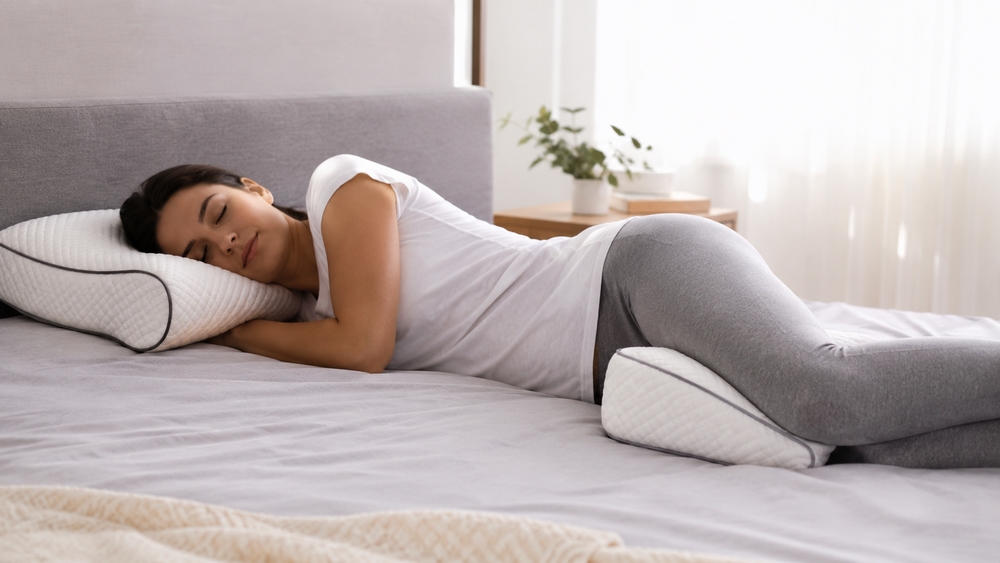
Back pain is one of the most common health problems and affects millions of people worldwide. As a result, it can make it difficult to fall asleep, stay asleep, or wake up feeling rested. Although there is no single solution that works for everyone, choosing the best pillow for back pain can help improve sleep comfort by supporting the natural alignment of the neck and spine. Therefore, combined with healthy sleeping habits and a supportive mattress, the right pillow may reduce unnecessary pressure on your back and contribute to better sleep quality.
Why Choosing the Best Pillow for Back Pain Matters
Many people focus only on buying a new mattress when trying to relieve back discomfort. While a good mattress is important, the pillow also plays a key role. Furthermore, during the night, your pillow helps keep your head, neck, and shoulders in a comfortable position. Consequently, if your pillow is too high, too low, too soft, or too firm, it may place extra strain on your neck and back, making discomfort worse over time. For this reason, a well-designed pillow should support the natural curve of your neck while keeping your spine as straight as possible throughout the night.
However, finding the best pillow for back pain is not simply about choosing the most expensive or most popular option. Instead, the ideal pillow depends on several personal factors, including your preferred sleeping position, body shape, shoulder width, and individual comfort preferences. For example, side sleepers, back sleepers, and stomach sleepers all require different levels of support to maintain proper spinal alignment.
This guide explains how different pillow types and sleeping positions affect spinal support and overall comfort. You’ll also learn what features to look for when choosing a pillow, how proper neck support can improve your sleeping posture, and practical tips that may help you create a healthier and more comfortable sleep environment. Therefore, by understanding these factors, you’ll be better prepared to choose the pillow that best matches your individual needs.
How to Choose the Best Pillow for Back Pain
Look for Supportive Materials
In general, a supportive pillow should help maintain the natural alignment of the head, neck, and spine. For example, models made from materials that adapt to the body’s shape may provide more consistent support throughout the night.
Consider Adjustable Pillows
Adjustable pillows allow users to modify their height or firmness. As a result, sleepers can personalize the level of support according to their individual preferences, improving overall comfort and ergonomics.
Add Extra Support When Needed
For instance, people who sleep on their side may benefit from placing a pillow between their knees. As a result, this simple adjustment can help keep the spine in a more neutral position while reducing pressure on the hips and lower back.
Additionally, it is also advisable to replace pillows regularly, as worn-out materials gradually lose their ability to provide effective support.
Read more: Mayo Clinic – Sleeping positions that reduce back pain
Best Sleeping Positions for Back Pain
Sleeping on Your Back
Generally, back sleepers generally benefit from a medium-support pillow that keeps the neck aligned without pushing the head too far forward. In addition, placing a small pillow or a rolled towel beneath the knees may reduce stress on the lower back.
Sleeping on Your Side
Similarly, side sleepers should choose a pillow thick enough to keep the head level with the mattress. Furthermore, placing another pillow between the knees may help maintain better spinal alignment throughout the night.
Sleeping on Your Stomach
On the other hand, sleeping on the stomach is often considered less suitable for people with back discomfort because it may increase strain on both the neck and lower back. However, if this is the only comfortable position, using a very thin pillow, or none at all, may reduce neck extension. An additional pillow under the pelvis, and optionally beneath the ankles, may provide extra support.
Read more: Cleveland Clinic – Best Sleeping Positions for Pain
Finding the Most Comfortable Sleep Setup
Comfort remains highly individual. Therefore, if one pillow or sleeping position does not improve sleep quality, in that case, trying different combinations may help identify the most suitable solution. The goal is to find an arrangement that supports natural spinal alignment while promoting a more comfortable night’s rest.
What To Know In Brief
- Choosing the right pillow for back pain may improve sleeping comfort.
- Proper spinal alignment is an important consideration during sleep.
- Adjustable pillows allow personalized support.
- Side sleepers may benefit from a pillow between the knees.
- Comfort varies from person to person, so experimentation is often necessary.
Read more: Harvard Health – Is Your Pillow Hurting Your Health?
FAQ
There is no single best option. A supportive pillow that maintains natural neck alignment is generally recommended.
A properly supportive pillow may improve sleeping comfort by promoting better spinal alignment, although individual results vary.
Many people find that placing a pillow between the knees helps keep the spine aligned and reduces pressure on the hips.
This position may place additional stress on the neck and lower back. A thinner pillow may help reduce neck strain if stomach sleeping is preferred.
Pillows should be replaced periodically because their supportive properties naturally decrease over time.
Conclusion
Finding the right pillow for back pain involves balancing support, comfort, and personal preference. While no single pillow or sleeping position works for everyone, choosing appropriate support and maintaining better spinal alignment may contribute to a more comfortable night’s sleep. If discomfort persists despite trying different solutions, consulting a qualified healthcare professional is advisable.
The right pillow cannot cure back pain, but proper support and sleeping posture may improve comfort and help maintain spinal alignment. Because individual needs vary, choosing a pillow should depend on sleeping position, comfort preferences and adequate neck support.
Read more in the health category.