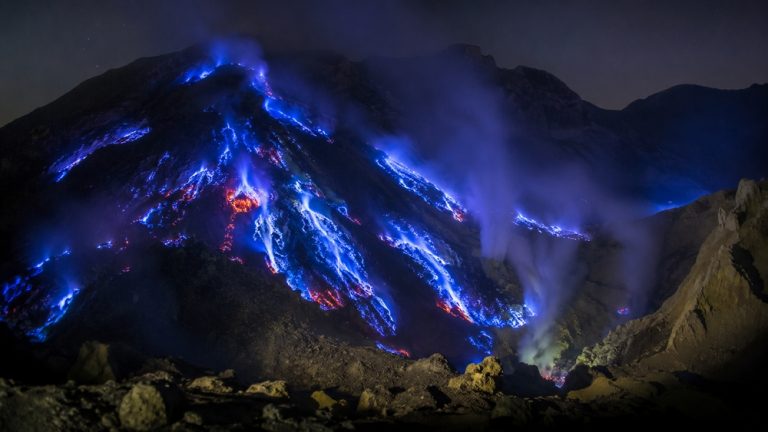
Energy is what makes things work. It makes our household things work and our cars move. Energy is also what makes natural things happen. We use something called a joule (J) to measure how much energy something has.
Power is not the thing as energy. Power is how fast we use energy or change it into something. So power is how work something can do in a certain amount of time. We use something called a watt (W) to measure power. One watt is equal, to one joule used in one second. Energy and power are related because energy is what we use to do work and power is how fast we use that energy.
Measuring Power
Power can be calculated using a simple formula:
Power = Energy ÷ Time
This means that two devices may use the same amount of energy, but the one that completes the task in less time is more powerful.
Several units are commonly used when discussing power and energy:
- Watt (W): The basic unit of power.
- Kilowatt (kW): Equal to 1,000 watts, commonly used for electrical equipment and motors.
- Megawatt (MW): Equal to 1,000 kilowatts, typically used to describe large-scale power generation.
- Kilowatt-hour (kWh): A unit of energy representing the amount of electricity consumed by a 1 kW device operating for one hour.
- Horsepower (HP): A traditional unit used to describe engine power.
Power and Torque
In engines, power should not be confused with torque. Torque is the rotational force that allows an engine to move or accelerate an object. High torque is especially important for starting movement and operating efficiently at low speeds, while power reflects the engine’s overall ability to perform work over time.
Forms of Energy
Energy exists in many different forms and can be transformed from one to another. According to the law of conservation of energy, energy cannot be created or destroyed—it can only change form.
Some of the most common forms include:
- Chemical energy, stored in fuels and food.
- Kinetic energy, associated with moving objects.
- Mechanical energy, which combines kinetic and potential energy.
- Thermal energy, related to heat and temperature.
- Electrical energy, used to power devices and machines.
- Radiant energy, carried by light and other electromagnetic waves.
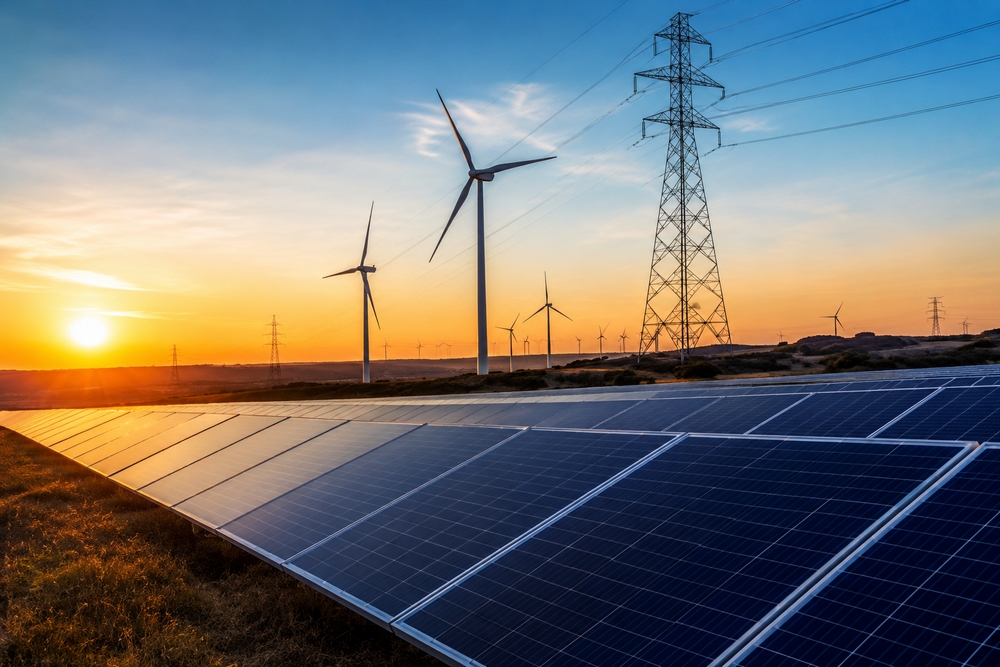
Many technologies rely on these transformations. For example, an electric motor converts electrical energy into mechanical energy, while photovoltaic panels convert sunlight into electricity.
Energy Efficiency
No energy conversion process is perfectly efficient. During every transformation, some energy is lost, usually in the form of heat.
For example, a light bulb converts only part of the electrical energy it consumes into visible light, while the remaining energy becomes heat. Similarly, inefficient or damaged equipment may waste additional energy.
Improving energy efficiency helps reduce waste, lower energy consumption, and improve overall system performance.
Energy Sources
Energy comes from a variety of sources. Fossil fuels have long been used to generate electricity and power transportation, but they are finite resources and produce emissions that contribute to environmental pollution.
Renewable energy sources, such as solar and wind power, offer cleaner alternatives by using naturally replenished resources. As technology advances, renewable energy is playing an increasingly important role in meeting global energy needs.
FAQ
Energy is the ability to perform work, while power measures how quickly that energy is used or transferred. Energy is measured in joules (J), whereas power is measured in watts (W).
A watt (W) is the standard unit of power in the International System of Units (SI). One watt is equal to one joule of energy transferred or converted per second, making it a measure of the rate of energy use.
The most common forms of energy include chemical, kinetic, mechanical, thermal, electrical, and radiant energy. These forms can be converted into one another depending on the process or technology involved.
Energy efficiency reduces waste by ensuring that more of the input energy is converted into useful work. Efficient systems consume less energy, lower operating costs, and help reduce environmental impact.
Renewable energy sources convert naturally replenished resources into electricity. For example, solar panels transform sunlight into electrical energy using photovoltaic cells, while wind turbines convert the kinetic energy of moving air into electricity.
Conclusion
Energy and power are closely related but distinct concepts. Energy represents the capacity to perform work, while power measures the rate at which that work is done. Understanding the different forms of energy, how they are transformed, and the importance of efficiency is essential for making informed decisions about energy use and promoting more sustainable technologies.