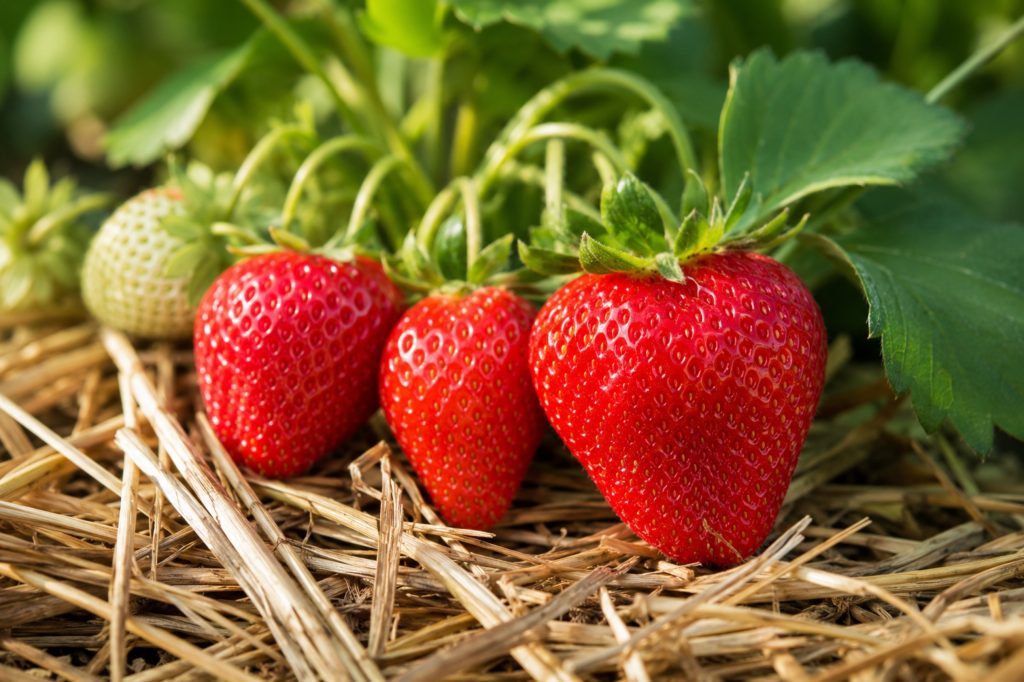
Why are strawberries red? It is a simple question with an interesting scientific answer. The bright red color of strawberries comes from natural compounds called anthocyanins. These pigments develop as the fruit ripens and, as a result, give strawberries their characteristic appearance.
Beyond color, anthocyanins are also known for their antioxidant properties. This article explains why strawberries become red, which pigments are involved, and what researchers have discovered about their potential health benefits.
Why Are Strawberries Red?
The red color of strawberries is mainly caused by natural pigments known as anthocyanins. These compounds are water-soluble and are found in many fruits, vegetables, and even some leaves during autumn.
As strawberries mature, anthocyanins gradually accumulate in the fruit. Consequently, the fruit becomes brighter and redder. The higher the concentration of these pigments, the deeper and brighter the red color becomes.
Scientists have identified more than 25 different anthocyanins in strawberries. Moreover, their concentration can vary significantly among varieties. However, one specific compound is considered the most important for the fruit’s vivid red appearance.
For a scientific overview of anthocyanins, readers can consult:
The Main Pigments Found in Red Strawberries
Among the many anthocyanins present in strawberries, pelargonidin-3-glucoside is the dominant pigment. It is largely responsible for the bright red color most people associate with ripe strawberries.
In addition, another important pigment is cyanidin-3-glucoside. Although present in smaller amounts, it also contributes to the fruit’s final coloration.
However, the exact amount of these pigments can vary depending on the strawberry variety. Therefore, some varieties naturally produce more anthocyanins than others, resulting in darker shades of red.
Meanwhile, researchers continue to study how environmental conditions and genetics influence pigment production in strawberries.
Additional information can be found here:
Are Anthocyanins and Red Strawberries Beneficial for Health?
Laboratory studies have shown that anthocyanins act as powerful antioxidants. Antioxidants help protect cells from damage caused by unstable molecules known as free radicals.
Research suggests that diets rich in anthocyanin-containing foods may support cardiovascular health and contribute to overall well-being. However, scientists are still studying how much of these compounds remain active in the human body after digestion.
The image also highlights that wild strawberry species may show stronger antioxidant activity than many cultivated varieties. This remains an active area of scientific research.
For further reading:
What To Know In Brief
Key Takeaways
- Strawberries are red because of natural pigments called anthocyanins.
- More than 25 anthocyanins have been identified in strawberries.
- Pelargonidin-3-glucoside is the main pigment responsible for the bright red color.
- Anthocyanins also have antioxidant properties.
- Wild strawberries may contain higher antioxidant activity than cultivated varieties.
FAQ
Why are strawberries red?
Strawberries are red because they contain anthocyanins, natural pigments that develop during ripening.
What pigment gives strawberries their red color?
The primary pigment is pelargonidin-3-glucoside, supported by smaller amounts of cyanidin-3-glucoside.
Do all strawberries contain the same amount of anthocyanins?
No. Anthocyanin levels vary depending on the strawberry variety and growing conditions.
Are anthocyanins healthy?
Research suggests that anthocyanins have antioxidant properties and may support overall health.
Do wild strawberries have more antioxidants?
Some studies indicate that wild strawberry species may show higher antioxidant activity than cultivated varieties.
Conclusion
The bright red color of strawberries is not just visually appealing. It is the result of natural pigments called anthocyanins, especially pelargonidin-3-glucoside. These compounds play a central role in the fruit’s appearance and are also associated with antioxidant activity.
As research continues, scientists are learning more about how these pigments affect fruit quality and human health. For consumers, strawberries remain a colorful example of how nature combines beauty and biology in a single fruit.



1 thought on “Why Are Strawberries Red? The Science Behind Their Color”
Comments are closed.